We understand that choosing the right HVAC contractor—and the right system—comes with plenty of questions. At Berkshire Refrigeration Service, we believe in keeping our customers informed, confident, and comfortable every step of the way.
Below, we’ve answered some of the most common questions we receive about our services, system performance, maintenance, and more. If you don’t see your question here, feel free to reach out directly—we’re always happy to help.
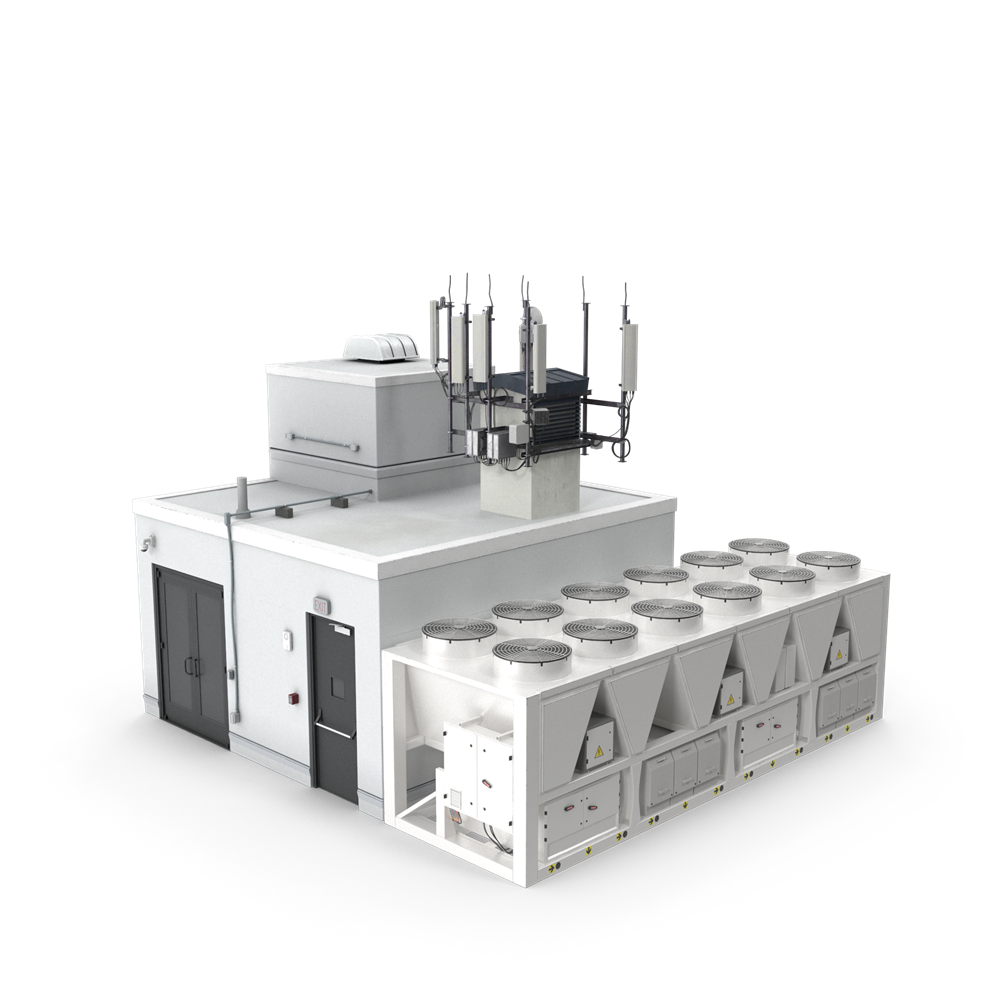
HVAC stands for Heating, Ventilation, and Air Conditioning—covering your entire indoor comfort system.
Local HVAC contractors know regional codes, respond faster, and provide more personalized, trustworthy service.
Rising utility bills, uneven temps, unusual noises, or age over 15 years are all signs it's time to upgrade.
Plans include seasonal tune-ups, priority scheduling, and discounts—saving money and reducing breakdown risks.
Yes. Professionals can enhance IAQ with air purifiers, ventilation upgrades, and humidity control solutions.
Most local HVAC companies offer 24/7 emergency service to keep homes safe and comfortable in any season.
Yes—reliable HVAC contractors manage installs, repairs, and maintenance for homes and small businesses.
Choose a licensed, insured company with experience, strong reviews, and knowledge of your local climate needs.
Have your system professionally serviced every fall to ensure efficient and safe operation through the winter months.
High-efficiency furnaces or dual-fuel systems are often ideal. A local tech can recommend the best fit for your home.
Yes, but your ducts should be evaluated to ensure they're sealed, clean, and sized properly for the new system.
High bills can indicate inefficiency, dirty filters, thermostat issues, or the need for an equipment upgrade.
Yes! Ask your contractor about utility company rebates or local incentive programs for energy-efficient systems.
Most replacements are completed in a day, with minimal disruption when handled by a licensed heating professional.
A licensed technician performs a load calculation based on your home's size, insulation, layout, and climate zone.
Common reasons include refrigerant leaks, clogged filters, or faulty thermostats—professional diagnosis is key.
With proper care, most systems last 12–15 years. Local climate and regular maintenance can extend performance.
Yes! They're ideal for homes without ducts, additions, or zones needing independent temperature control.
Absolutely. We offer flexible financing options to make system upgrades easier and more affordable.
Spring and fall allow for better scheduling and pricing, but emergency installs are available year-round.
Every 1–2 months during peak use, especially with pets, allergies, or high pollen levels in your area.